Token Budget Guard
by Shippers
Avoid context bloat and high costs with a 3-line verdict on expensive AI operations before you run them.
$5
· or 25 creditsSecure checkout via Stripe
Works with the AI tools you already use
About this skill
What it does
Token Budget Guard is a high-performance utility designed to save developers from unintentional "context burn." It acts as a pre-execution gatekeeper that analyzes planned operations—like repo ingestions, documentation fetches, or large log reads—and provides an immediate 3-line verdict on the most cost-effective way to proceed.
Why use this skill
Large Language Models (LLMs) often lack the self-awareness to tell you when a command will bloat your context or waste expensive tokens. This skill bridges that gap by providing a standardized estimation framework. Instead of blindly running a grep or reading a 5,000-line log file, your agent will pause to evaluate if the data should be processed in the current session, offloaded to a cheap sub-agent, or skipped entirely.
Problem it solves
- Prevents "context bloat" which degrades model reasoning performance.
- Saves money by flagging operations that would ingest hundreds of thousands of unnecessary tokens.
- Helps you decide when to use expensive models (like Opus) vs. specialized sub-tasks.
Output format
The output is strictly limited to three lines (Verdict, Estimate, and Reason), ensuring it never interrupts your development flow or adds more noise to the conversation.
Details
How to install
Drop the file into your AI Agent. Works with Claude, Cursor, ChatGPT, and 20+ more.
Security Scanned
Passed automated security review
Permissions
No special permissions declared or detected

Frequently Asked Questions
More Premium Skills
designing-hybrid-context-layers
Architects the right retrieval strategy for every query — teaching your agent when to use RAG, a knowledge graph, or a temporal index instead of defaulting to vector search for everything.
synthesizing-institutional-knowledge
Builds the organizational memory schema your AI agent needs to answer why — capturing decision provenance, causal chains, and event context that embedding-based retrieval permanently discards.

Business Strategist
A framework-driven consultant for business diagnosis, market mapping, and pricing strategy.
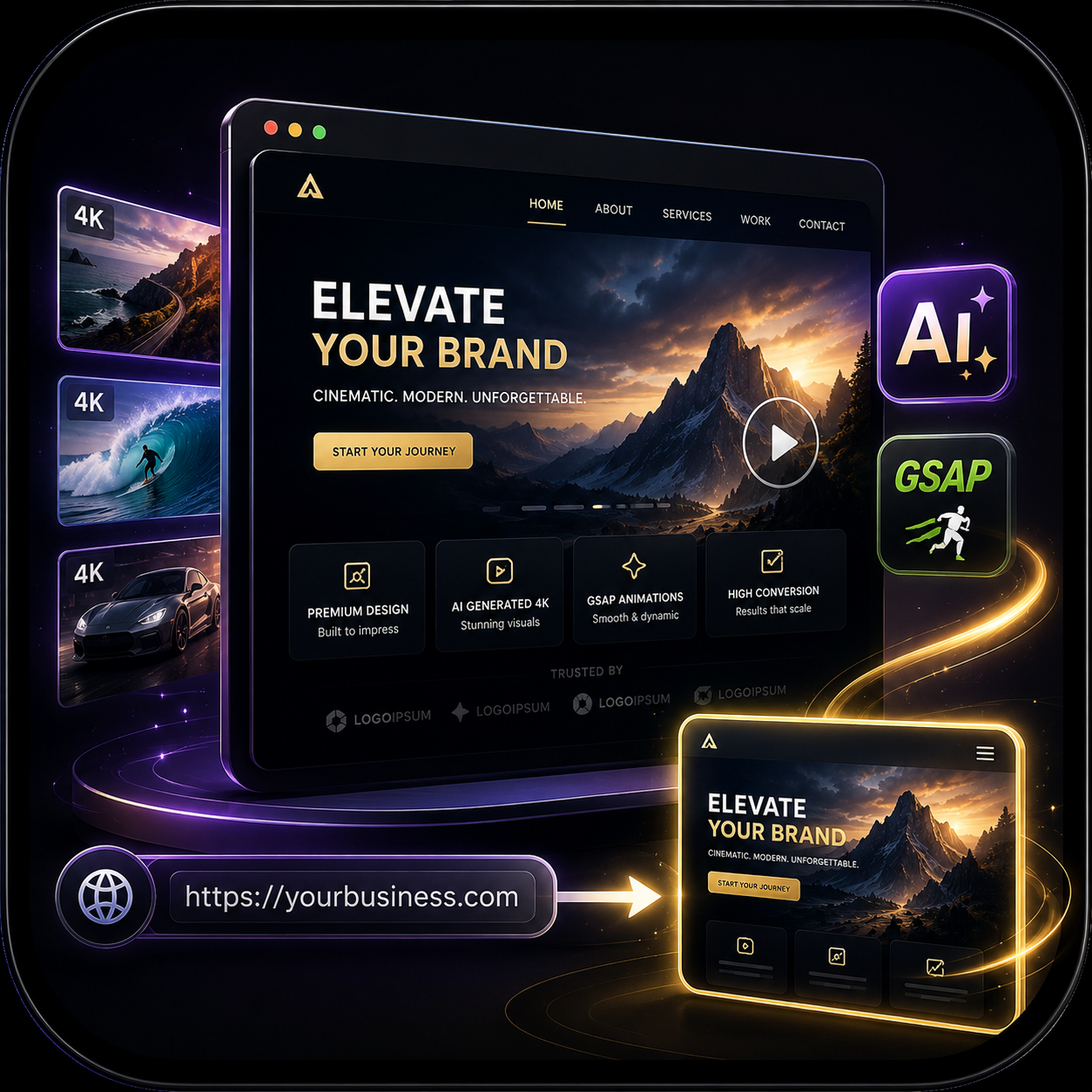
Cinematic Landing Page Builder
Turn any business URL into a high-end animated landing page with 4K AI assets and GSAP animations via Cloudflare.